
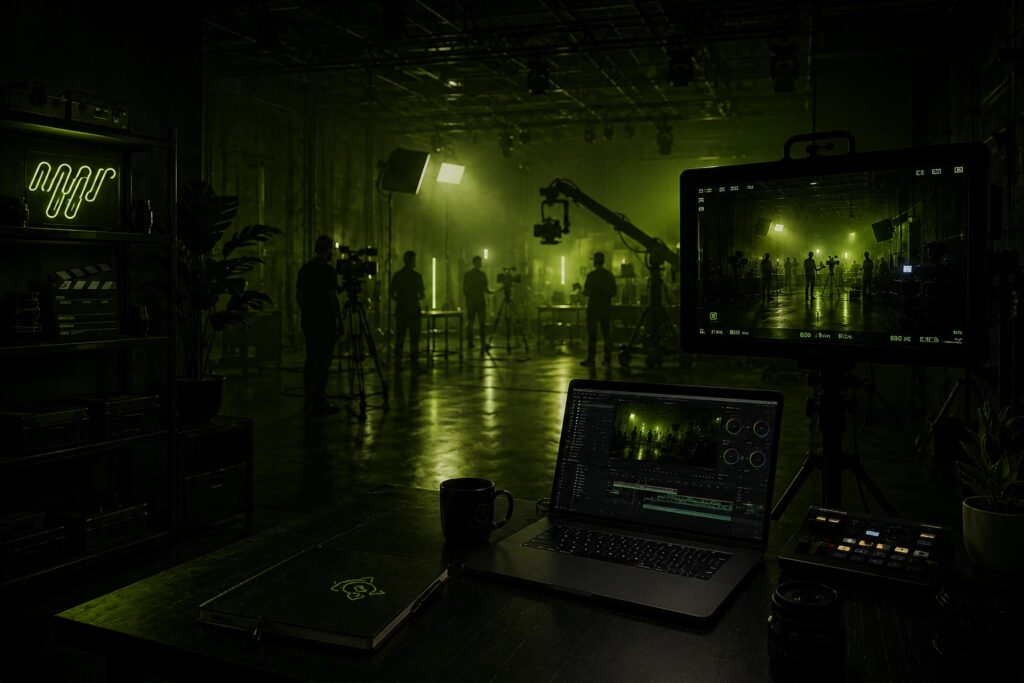
How to Plan a Successful Video Shoot: The Complete Guide to Cinematic Brand Storytelling
In today’s digital-first world, video content has become one of the most powerful tools for communication, engagement, and brand growth. Whether it’s a brand commercial, social media advertisement, product showcase, documentary, or corporate storytelling piece, every successful video begins with one important thing — proper planning.
A great video isn’t created by simply turning on a camera. Behind every cinematic visual lies a carefully designed strategy involving concept development, scripting, technical preparation, creative direction, and post-production execution.
At TT Curates, we believe that every frame should have purpose and every visual should communicate emotion. Video production is not just about capturing footage — it is about telling stories that connect with audiences, build trust, and inspire action.
Step 1: Understanding the Goal
Before touching the camera, the most important question to ask is:
“What is the purpose of this video?”
Every video should have a clear objective. Are you trying to:
* Increase brand awareness?
* Promote a new product?
* Generate leads?
* Improve engagement?
* Educate your audience?
* Build emotional connection?
Having a defined goal helps shape everything from scriptwriting to editing style.
For example:
A luxury fashion brand may need a cinematic, emotional campaign film, while a tech startup may need an informative and fast-paced explainer video.
Understanding audience psychology is equally important. Knowing who the video is for helps determine tone, visuals, language, pacing, and storytelling structure.
⸻
Step 2: Pre-Production — The Foundation of Success
Pre-production is often the most overlooked yet most important phase of video creation.
This stage includes:
Creative Concept Development
Every successful video begins with a powerful idea.
The creative concept determines:
* Mood and atmosphere
* Visual storytelling approach
* Tone of communication
* Camera movement style
* Editing rhythm
At TT Curates, we focus on creating concepts that align perfectly with the brand identity and business objective.
⸻
Script Writing & Storyboarding
A compelling script acts as the backbone of every production.
Good storytelling includes:
* A strong hook
* Emotional engagement
* Clear messaging
* Memorable ending
* Effective call-to-action
Storyboards are then created to visualize scenes before filming begins, helping production teams stay organized and efficient.
⸻
Location Scouting
The environment dramatically affects the visual quality of a video.
Choosing the right location impacts:
* Lighting quality
* Mood creation
* Brand perception
* Audience engagement
Whether it’s a luxury indoor setup, urban cityscape, office environment, or outdoor cinematic setting — location matters.
⸻
Step 3: Production Day
This is where planning becomes reality.
During the shoot, teams work on:
Lighting Setup
Lighting is what transforms normal footage into cinematic visuals.
Different lighting techniques create:
* Mood
* Depth
* Drama
* Luxury appeal
* Emotional tone
Professional lighting instantly elevates content quality.
⸻
Camera Angles & Movement
Visual storytelling depends heavily on camera movement.
Popular techniques include:
* Tracking shots
* Drone footage
* Slow motion
* Cinematic closeups
* Product motion shots
Each movement serves a purpose in storytelling.
⸻
Sound Design & Audio
Poor audio quality can ruin even beautiful visuals.
Professional production prioritizes:
* Clean dialogue recording
* Background sound management
* Voiceovers
* Music synchronization
Audio creates emotional immersion.
⸻
Step 4: Post Production
Editing is where the story finally comes alive.
This stage includes:
* Color grading
* Motion graphics
* Sound mixing
* Transitions
* Visual effects
* Brand integration
A powerful edit turns raw footage into memorable content.
At TT Curates, our editing process focuses on creating content that feels premium, emotionally engaging, and visually unforgettable.
Final Thoughts
A successful video shoot is never accidental. It requires strategy, preparation, creativity, and execution.
When done correctly, video becomes more than content — it becomes a business growth tool that strengthens trust, builds brand identity, and drives conversions.
Because in a world full of noise, stories are what people remember.